
If you are searching for the best private law colleges in India without CLAT, you are not alone. Every year, thousands of students look for reputed universities that provide direct admission to law courses without requiring CLAT scores. Along with admissions, many students also search for the Dr Preeti Global University result check process and an updated list of BCI approved law colleges 2026 before making their final decision.
This comprehensive guide explains everything you need to know about choosing a private law college, verifying BCI approval, checking university results, eligibility criteria, admission procedures, fees, scholarships, placements, and career opportunities.
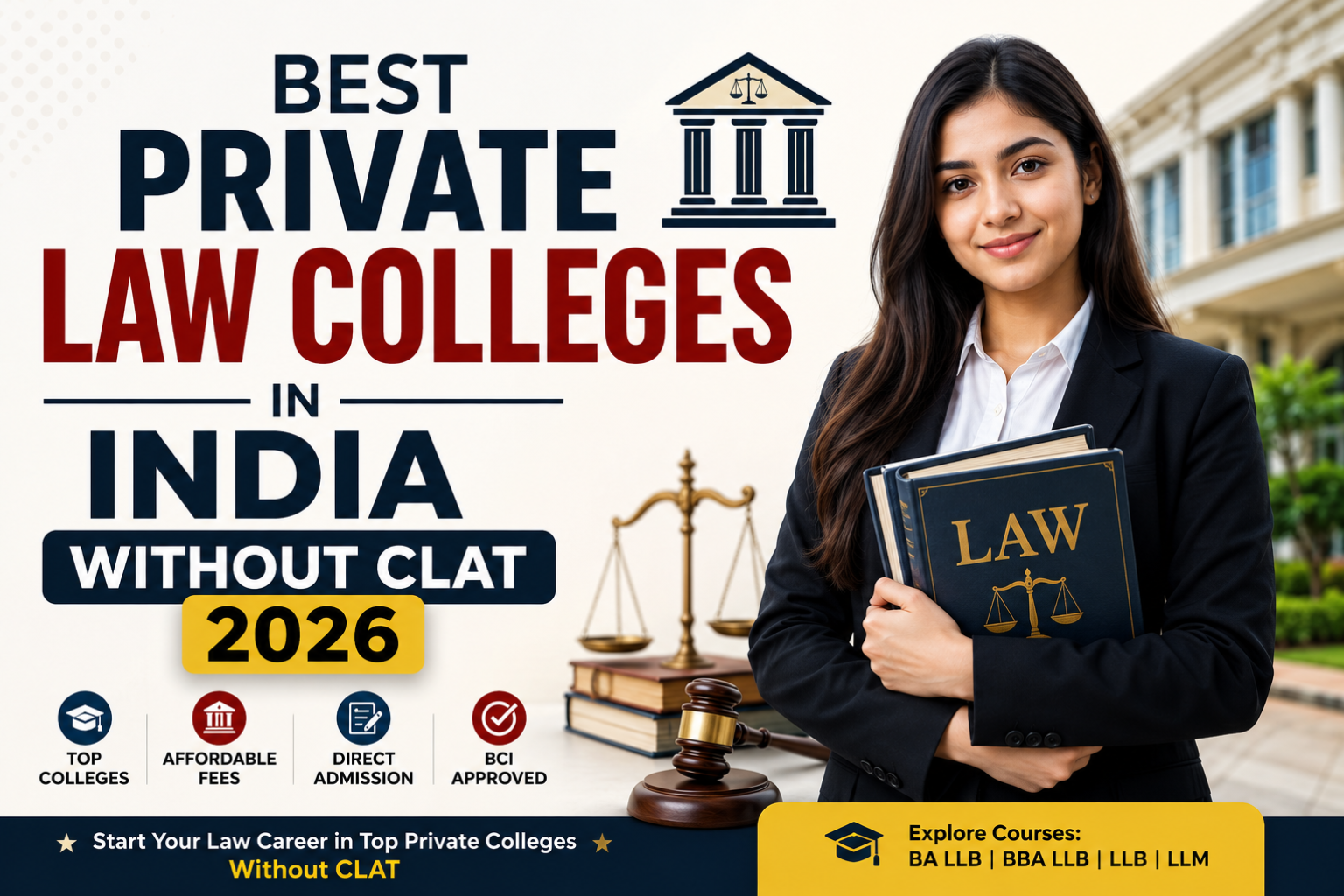
Why Choose a Private Law College Without CLAT?
Not qualifying for CLAT does not mean your dream of becoming a lawyer is over. Many private universities provide admissions through merit, institutional entrance tests, or direct counseling.
Advantages include:
- Merit-based admissions
- Modern legal education
- Experienced faculty members
- Digital classrooms and law libraries
- Moot court practice
- Internship opportunities with law firms
- Placement and career guidance
- National and international exposure
Importance of BCI Approved Law Colleges 2026
One of the first things every student should verify is whether the institution is listed among BCI approved law colleges 2026.
Choosing a BCI-recognized law program ensures:
- Recognition of your law degree
- Eligibility to enroll as an Advocate
- Acceptance by employers
- Better higher education opportunities
- Legal validity across India
Always confirm the latest approval status before taking admission.
Dr Preeti Global University Result Check
Students frequently search for Dr Preeti Global University result check after semester examinations.
The result-checking process is generally simple:
- Visit the university’s official website.
- Open the Examination or Results section.
- Select your course and semester.
- Enter your Roll Number or Enrollment Number.
- Click Submit.
- Download and save your scorecard for future reference.
Students should rely only on the official university portal for authentic academic results.
Top Features of the Best Private Law Colleges in India Without CLAT
When comparing colleges, look for institutions that offer:
Experienced Faculty
Learning from qualified legal professionals improves both academic and practical understanding.
Moot Court Training
Moot courts help students build advocacy and courtroom skills.
Internship Support
Practical exposure through internships with advocates, courts, NGOs, and corporate legal departments enhances employability.
Research Opportunities
Strong research facilities prepare students for higher studies and legal publications.
Placement Assistance
Leading universities collaborate with law firms, corporate companies, and government organizations for recruitment.
Popular Law Courses Offered
Students can choose from several law programs based on their educational background.
BA LLB (5 Years)
A popular integrated course combining arts and legal studies.
BBA LLB (5 Years)
Ideal for students interested in business law and corporate legal careers.
BCom LLB (5 Years)
Designed for commerce students with an interest in taxation, finance, and corporate law.
LLB (3 Years)
Suitable for graduates from any recognized discipline.
LLM
Advanced postgraduate specialization in constitutional law, criminal law, corporate law, intellectual property law, and more.
Eligibility Criteria
For Integrated Law Programs
- Passed Class 12 from a recognized board
- Minimum qualifying marks as prescribed by the university
For LLB
- Graduation from a recognized university
For LLM
- LLB degree from a recognized institution
Admission Process
Admission to many private universities generally involves:
- Online application submission
- Document verification
- Merit evaluation or university entrance examination
- Counseling (if applicable)
- Fee payment
- Admission confirmation
Career Opportunities After Completing Law
Graduates from the best private law colleges in India without CLAT can pursue careers as:
- Advocate
- Corporate Lawyer
- Legal Advisor
- Criminal Lawyer
- Civil Lawyer
- Judicial Services Aspirant
- Legal Consultant
- Compliance Officer
- Legal Researcher
- Company Secretary (with additional qualifications)
- Arbitration Specialist
- Law Professor
Skills Every Law Student Should Develop
Success in the legal profession requires:
- Analytical thinking
- Legal drafting
- Public speaking
- Negotiation skills
- Research ability
- Critical reasoning
- Problem-solving
- Professional ethics
Tips for Selecting the Right Law College
Before applying, compare institutions based on:
- BCI approval
- Accreditation
- Faculty experience
- Placement records
- Internship opportunities
- Infrastructure
- Hostel facilities
- Student support services
- Scholarships
- Alumni success
Documents Required for Admission
Prepare the following documents:
- Class 10 Mark Sheet
- Class 12 Mark Sheet
- Graduation Certificate (if applicable)
- Passport-size photographs
- Identity proof
- Transfer Certificate
- Migration Certificate
- Character Certificate
- Category Certificate (if applicable)
Future Scope of Legal Education
The legal profession continues to grow due to increasing demand in sectors such as:
- Corporate Law
- Cyber Law
- Intellectual Property Rights
- Environmental Law
- Banking and Finance Law
- International Trade Law
- Human Rights Law
- Data Privacy Law
- Artificial Intelligence and Technology Law
Qualified legal professionals are needed across law firms, multinational companies, courts, startups, government departments, and international organizations.
Final Thoughts
Choosing among the best private law colleges in India without CLAT requires careful evaluation of recognition, faculty, placements, infrastructure, and student support. Before finalizing your admission, confirm that the institution appears among the BCI approved law colleges 2026and use the official Dr Preeti Global University result check portal whenever you need to verify examination results. A well-recognized law college can provide the academic foundation and practical exposure needed for a successful legal career.
Frequently Asked Questions
Is CLAT compulsory for admission to every private law college?
No. Many reputed private universities offer admission based on merit or their own entrance process.
Why should I choose a BCI-approved law college?
BCI approval is essential if you want to practice law and enroll as an advocate in India.
How do I complete the Dr Preeti Global University result check?
Visit the university’s official website, access the Results section, enter your enrollment details, and download your scorecard.
Which integrated law course is most popular?
BA LLB and BBA LLB are among the most preferred law programs after Class 12.
What career options are available after LLB?
Graduates can work as advocates, legal advisors, corporate lawyers, judicial officers, legal consultants, compliance professionals, or pursue higher education like LLM or PhD.