
Explore India’s Best After 12th Computer Application Guide – BCA, MCA, PGDCA
Find the ideal program with our 12th Computer Application Guide and get expert counseling on BCA, MCA, and PGDCA admissions.
★ Rated 4.9/5 | UGC Approved Colleges | Trusted by 2,000+ IT Aspirants
Personal guidance for Computer Application admissions across India.



After 12th Computer Application Guide – BCA, MCA & PGDCA Courses You Should Know
Best After 12th computer application guide is designed to help you explore all major computer courses after school. Whether you're aiming to become a developer, data analyst, or software engineer, these programs can shape your future.
Bachelor of Computer Application (BCA)
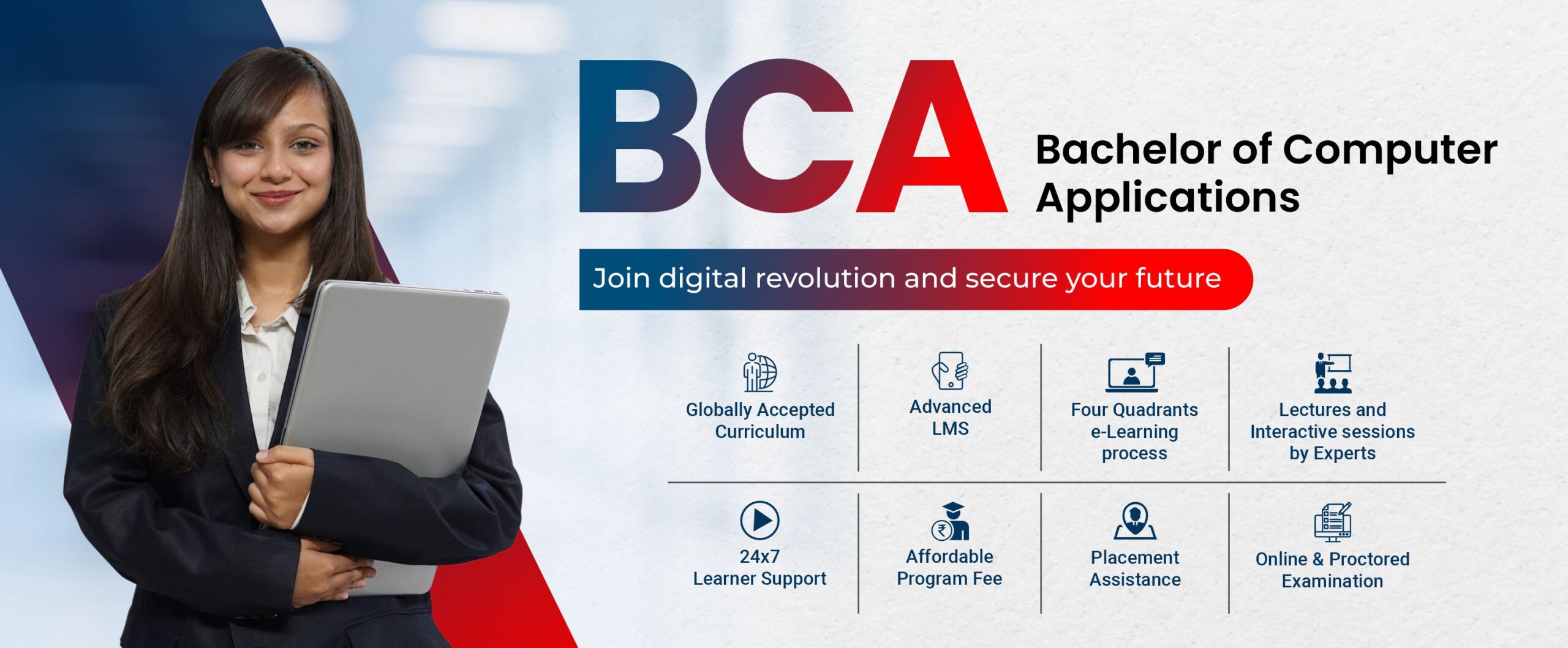
BCA is a 3-year undergraduate degree that introduces students to database management, cloud technologies, networking, and full-stack development. As the most sought-after option in any 12th computer application guide, BCA leads to careers in both IT services and startups.
Master of Computer Application (MCA)
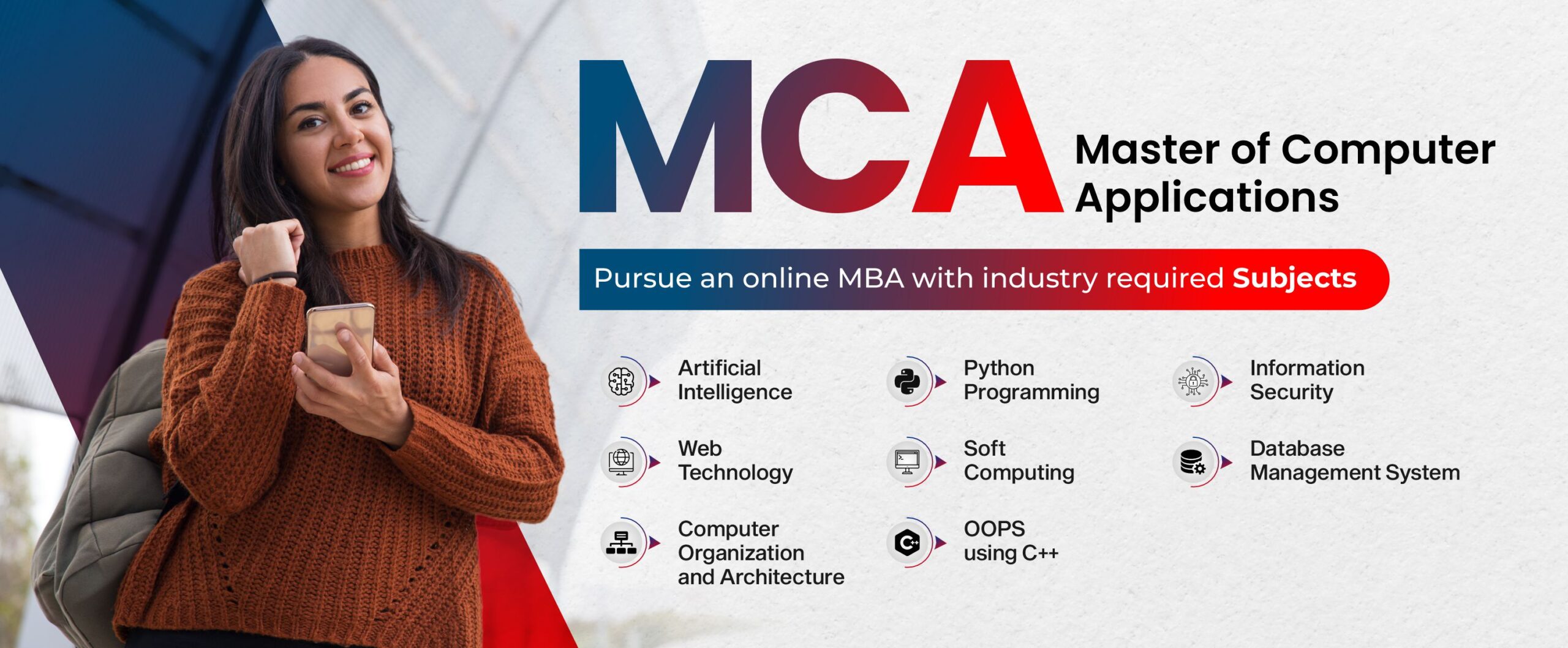
MCA is a postgraduate program ideal for students looking to specialize further in fields like Artificial Intelligence, Software Development, Cybersecurity, or Data Science. It builds on concepts introduced in the bachelor of computer application course.
Post Graduate Diploma in Computer Applications (PGDCA)
PGDCA is a great option for graduates of any stream looking to upskill. Covering software tools, programming languages, and computer fundamentals, it’s a smart route included in every practical Best After 12th computer application guide
Why Choose UGC-Recognized Computer Application Programs?
UGC-approved institutions offering the bachelor of computer application and MCA ensure credibility, better placements, and eligibility for government jobs. Always verify college accreditation before applying.
Get in Touch with Our Admission Experts

Why the After 12th Computer Application Guide Matters for BCA & MCA Admissions
Selecting the right path after 12th can be confusing. This expert-driven Best After 12th computer application guide helps you compare the pros and cons of BCA, MCA, and PGDCA so you can make an informed choice.
Career Counseling for Computer Application Courses
Whether you're leaning toward the bachelor of computer application or planning to pursue an MCA later, our team evaluates your skills and recommends the best-fit program and college—based on both career goals and admission criteria.
Book Your Free Admission Counseling Session
Our personalized 12th computer application guide and counseling support include college shortlisting, entrance prep help, and complete documentation support. Get clarity, save time, and build your IT career right.
| Type | Degree Name | Specializations |
|---|---|---|
| Undergraduate | Bachelor of Computer Application (BCA) | General BCA, Cloud Computing, Cybersecurity, Mobile App Development |
| Postgraduate | Master of Computer Application (MCA) | Software Development, Data Science, Artificial Intelligence, Systems Management |
| Diploma | PGDCA | Core Programming, Database Management, Operating Systems, Web Development |
Get in Touch with Our Admission Experts

Frequently Asked Questions – Computer Application Guide
What is the computer application guide?
This guide helps students after 12th computer application guide understand available computer courses like BCA, MCA, and PGDCA. It includes career options, curriculum focus, and admission routes.
What is the bachelor of computer application (BCA)?
BCA is a 3-year undergraduate degree designed to teach foundational IT knowledge like databases, networking, web development, and programming languages.
Can I do MCA after BCA?
Yes, MCA is the logical next step after BCA. It deepens your software development and system design expertise, with options in AI, Data Science, and Cloud Computing.
Is PGDCA good after graduation?
PGDCA is a 1-year diploma best suited for non-IT graduates who want to switch to IT. It offers fast-track learning for job readiness in tech support or entry-level dev roles.
What careers can I pursue after completing BCA or MCA?
You can become a software developer, system analyst, app developer, data analyst, or pursue roles in cybersecurity and IT consulting across public and private sectors.